Bet Builders Positioned for Growth with 2026 FIFA World Cup Expansion

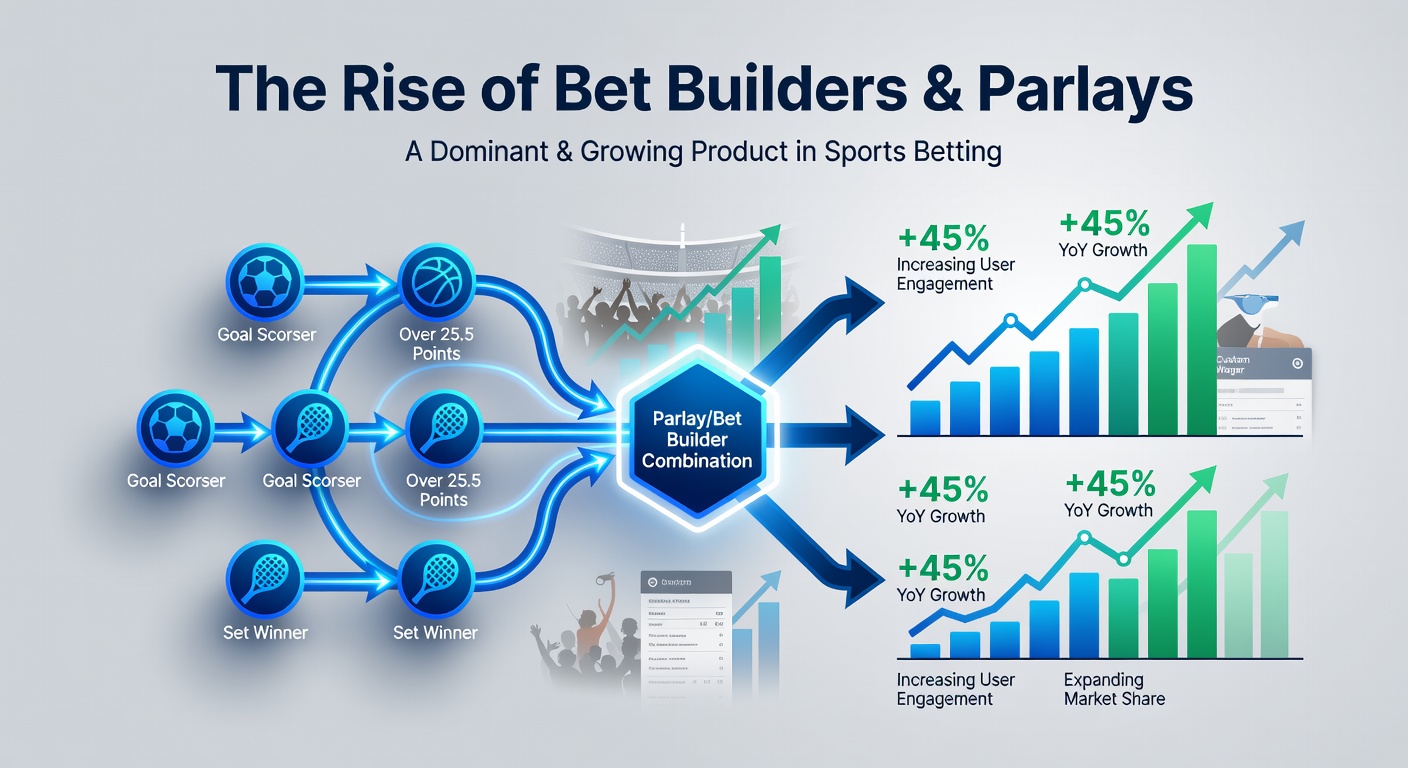
Bet builders along with parlays continue to shape sports betting as operators prepare for the 2026 FIFA World Cup and its expanded format of 48 teams across 104 matches, according to industry analysis from InterGame. This structure creates additional fixtures and extends the tournament window, which data shows opens pathways for operators to acquire new users and deepen engagement through customizable betting products.
Figures reveal that bet builders allow players to combine multiple elements within a single match such as goal scorers, corners, cards, and player performance metrics, while parlays extend this approach across events. The 2026 tournament timeline, running from June into July, aligns with these tools because the increased match count supplies more data points for bet construction, and US operators view this period as an acquisition window since football interest peaks during major international events.
Market Projections and Operator Strategies
Analysts project that bet builder volume will rise in the United States as the tournament approaches, and operators have begun adjusting product roadmaps to include football-native options that match European market standards. These options feature granular selections tied to league-specific statistics, which help retain users who migrate between domestic leagues and international competitions. Product teams focus on seamless integration so that bet builders load quickly on mobile interfaces, and early testing indicates that such features increase session duration when paired with live in-play markets.
Related Industry Developments
Alongside product evolution, several corporate moves have surfaced in recent months. Kaizen Gaming completed its acquisition of GameplAI, a move that brings advanced analytics capabilities into the operator’s portfolio and supports bet builder personalization through machine learning models. In a separate development, Allwyn withdrew from a planned transaction involving Novibet, which leaves Novibet to pursue independent growth strategies centered on European and emerging markets.
These transactions occur against a backdrop of regulatory adjustments in multiple jurisdictions, where licensing bodies continue to refine rules around in-play betting and responsible gambling tools. Integrity monitoring also receives attention, and sports betting platforms have expanded partnerships with data providers to flag unusual betting patterns that could indicate match manipulation, particularly as the 2026 tournament draws global attention.
US and European Market Contrasts
Observers note differences between the US and European landscapes. European operators have long offered deep football bet builder libraries that cover lower-tier leagues and youth competitions, whereas US platforms have prioritized American sports and are now accelerating football offerings to capture World Cup traffic. Data from recent years shows that US sports betting handle during major football events has grown steadily, and the 48-team format is expected to extend that pattern across a longer calendar window.
Product strategies therefore emphasize native football content such as set-piece markets, player prop combinations, and tournament-stage parlays that mirror successful European templates. Operators that succeed in this area stand to convert casual viewers into active bettors during the group stage and knockout rounds, and early adoption of localized interfaces has already shown measurable lifts in conversion rates for similar international events.
Regulatory, Integrity, and Product Outlook
Regulatory frameworks continue to evolve, and states with legalized sports betting have introduced requirements for bet builder transparency, including clear display of odds calculations and payout caps. Integrity protocols now incorporate real-time monitoring feeds that cover the expanded World Cup schedule, which helps maintain confidence among both regulators and users. Meanwhile, technology investments target faster data ingestion so that bet builders update dynamically during matches without latency issues that previously frustrated users.
The combination of an expanded tournament, targeted acquisitions, and refined product features positions bet builders as a central component of operator growth plans through 2026 and beyond. Market participants track these developments closely because teh outcomes influence both revenue streams and compliance obligations across jurisdictions.
Industry Outlook
Looking ahead, the 2026 FIFA World Cup serves as a benchmark event that tests how effectively US operators integrate football-native bet builders at scale. Success depends on seamless technology, regulatory alignment, and strategic corporate moves such as the recent Kaizen Gaming transaction. Data collected during the tournament will inform subsequent product iterations and help determine whether similar approaches apply to other global competitions.