Bloomberg Video Breaks Down the Regulatory Clash Over Prediction Markets
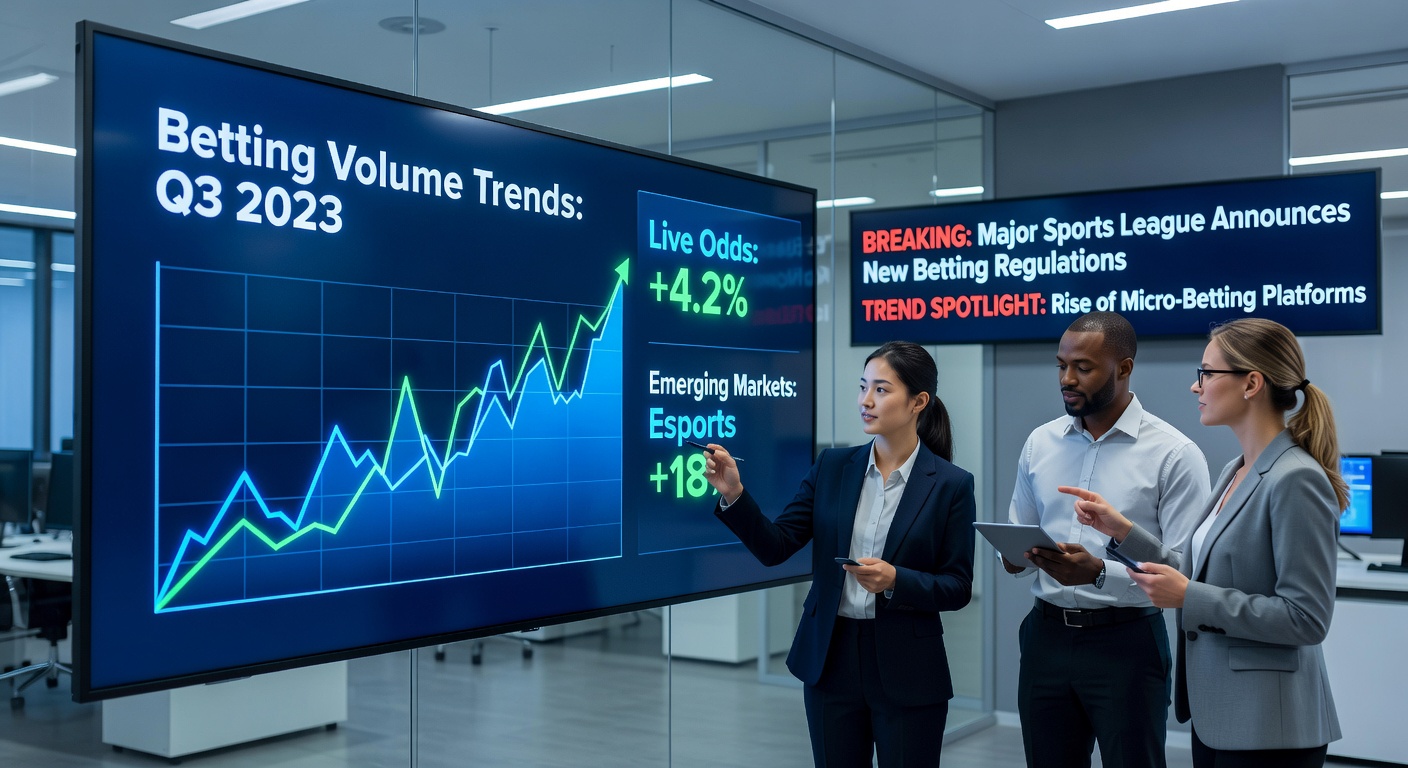 Bloomberg released a video analysis on July 23, 2026 that examines the ongoing regulatory debate about whether prediction markets operated by platforms such as Kalshi and Polymarket qualify as gambling under existing laws. The segment walks through disagreements between multiple state regulators and the Commodity Futures Trading Commission while highlighting recent court filings that could shape how event contracts function across the United States. Viewers see a clear timeline of enforcement actions and legislative proposals that continue to separate sports betting from broader event-based contracts. The discussion opens with an overview of how the CFTC has asserted jurisdiction over certain event contracts that involve yes-or-no outcomes on elections, weather, and economic indicators. State attorneys general in several jurisdictions maintain that these same contracts resemble wagers because participants risk money on uncertain results. Bloomberg reporters lay out the legal arguments from both sides without endorsing either position and they reference specific complaints filed in federal district courts during the first half of 2026. Observers note that the CFTC approved Kalshi to list contracts on congressional control earlier in the decade while Polymarket continued operating under a different structure that drew scrutiny from state officials. The video presents documents showing that at least four states have pursued litigation arguing that these platforms require gambling licenses rather than federal derivatives oversight. Court dockets cited in the analysis reveal motions to dismiss and cross motions that remain pending as of late July 2026.
State and Federal Positions on Event Contracts
The Bloomberg piece details how the CFTC views many prediction market contracts as distinct from traditional sports betting because they often reference verifiable public data rather than athletic performance. State regulators counter that the economic substance remains the same whenever money changes hands based on an uncertain future event. The video includes excerpts from CFTC orders and state enforcement letters that illustrate these contrasting interpretations of the Commodity Exchange Act versus state gaming statutes.
Recent lawsuits referenced in the segment involve challenges to CFTC no-action letters that previously shielded certain election-related contracts. Plaintiffs argue that the federal agency exceeded its authority by permitting platforms to offer contracts that state law classifies as illegal gambling. Defendants respond that federal preemption applies once the CFTC has determined a contract serves a hedging or price-discovery purpose. Bloomberg presents the procedural status of each case and notes upcoming hearing dates scheduled for fall 2026.
Implications for Sports Betting and Broader Markets
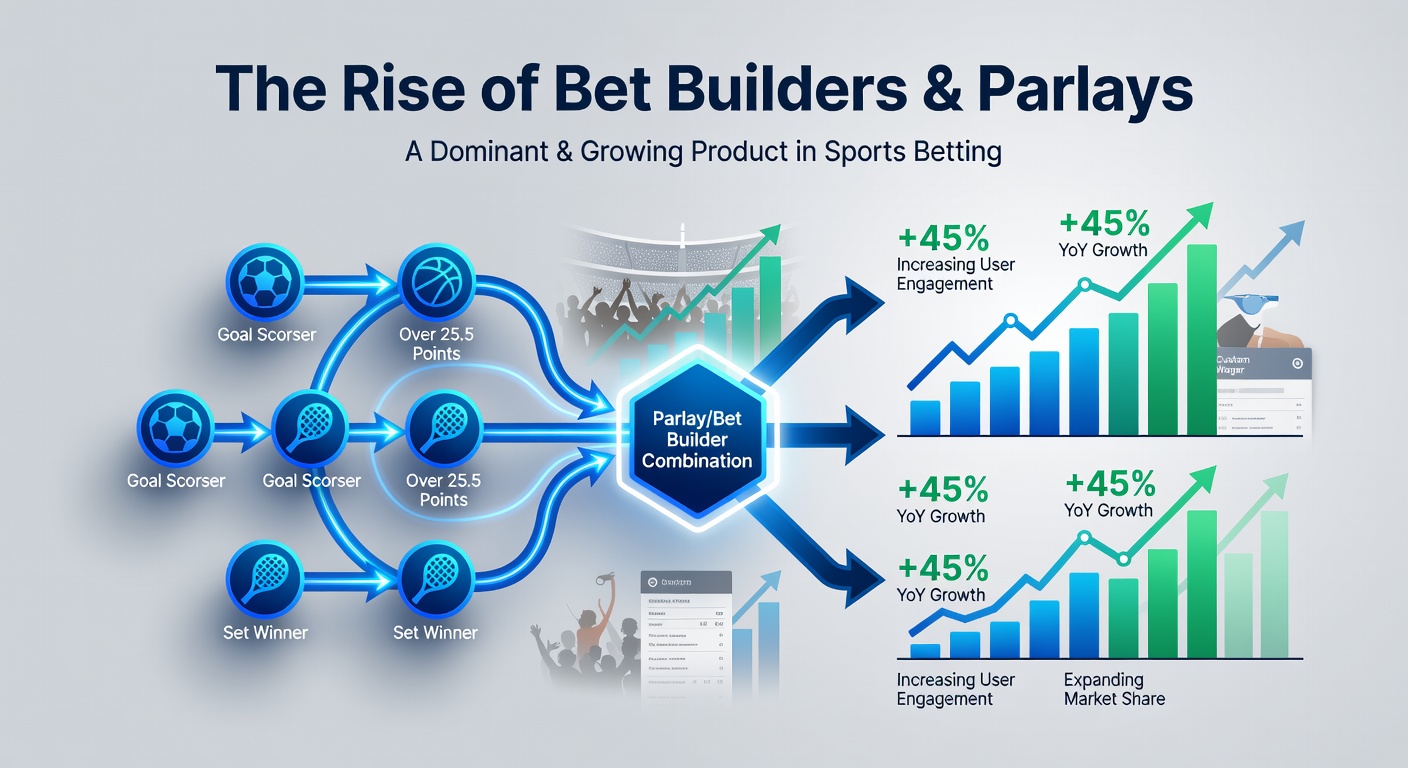
The analysis extends to potential ripple effects on sports betting operators that already hold state licenses. If courts ultimately classify certain event contracts as gambling, operators may face new compliance requirements when they attempt to expand into election or news-based markets. Conversely, a ruling that reinforces CFTC authority could open additional product categories for licensed prediction platforms while limiting state oversight. The video reviews how major sportsbooks have monitored these developments and adjusted their own product roadmaps accordingly.
Data referenced in the segment comes from CFTC weekly commitment reports and state gaming revenue summaries released through the second quarter of 2026. Those figures show steady growth in event contract trading volumes even as litigation continues. Industry associations such as the National Council of Legislators from Gaming States have filed amicus briefs in several cases, and the video includes brief statements from representatives of those groups.
Academic researchers cited by Bloomberg point to studies from U.S. universities that examine how prediction market prices correlate with polling data and economic indicators. These papers appear in the discussion as evidence that the contracts can provide informational value beyond pure speculation. The segment stops short of evaluating the quality of that research and instead uses the citations to illustrate the range of arguments presented to regulators and judges.
Future Outlook Presented in the Video
Bloomberg concludes its overview by outlining three possible paths forward: continued litigation that reaches appellate courts, new federal legislation clarifying the CFTC’s role, or negotiated frameworks between states and federal agencies. Each scenario receives equal airtime with references to pending bills in Congress and model legislation circulated by state gaming associations. The video notes that any resolution will affect not only Kalshi and Polymarket but also emerging platforms seeking similar approvals.
Additional context includes the status of related enforcement actions by the Securities and Exchange Commission against certain decentralized prediction protocols. Although those cases operate under different statutes, Bloomberg connects them to the broader question of how digital platforms that facilitate event-based trading will be classified across financial and gaming regulatory regimes.
Conclusion
The July 2026 Bloomberg video supplies a factual summary of the regulatory landscape without predicting outcomes. It compiles public court records, agency statements, and trading data to show how disagreements between states and the CFTC continue to influence the development of prediction markets. Stakeholders in sports betting, event contracts, and related financial products now await further judicial or legislative developments that could redefine permissible activities in this sector.