Card Room Layout Adjustments That Influence Wager Sizing in Extended Sessions
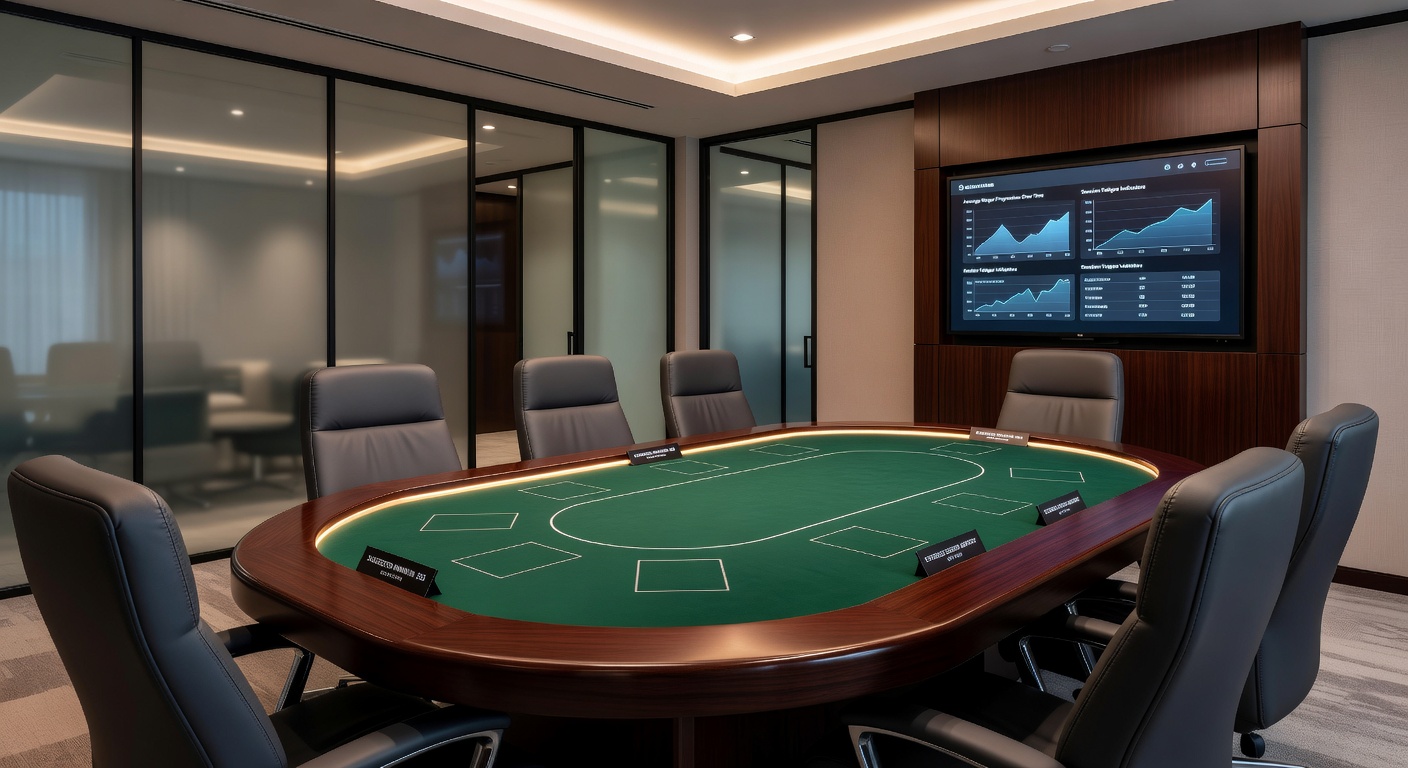
Card rooms have implemented targeted layout modifications in recent years that correlate with measurable shifts in how participants adjust bet sizes across multi-hour periods, according to operational reports compiled through 2026. These changes often involve table spacing, lighting angles, and pathway configurations rather than overt rule alterations. Data collected from North American facilities shows that repositioning certain tables closer to high-traffic walkways coincides with increased average bet increments during later session stages.
Facilities track these patterns through floor management logs that record wager distributions at specific table locations. Observers note that players seated at tables with direct sightlines to cashier cages tend to maintain steadier sizing sequences, whereas those positioned near rest areas demonstrate more variable increments after four hours of continuous play. Such patterns emerged consistently in records reviewed during May 2026 audits across multiple jurisdictions.
Table Spacing and Sightline Configurations
Adjustments to inter-table distances alter visual cues available to participants, which researchers link to decision timing. When tables sit at intervals exceeding standard eight-foot gaps, players show reduced frequency of mid-range bets in prolonged rounds because peripheral movement becomes less distracting. Conversely, tighter arrangements encourage quicker sizing escalations as participants respond to neighboring activity. Industry records from Canadian provincial operators indicate these spacing tweaks produced measurable differences in handle distribution during peak evening blocks.
Pathway alignments also factor into the equation. Rooms that route service staff through designated lanes rather than open floor areas report steadier bet sizing among players whose backs face those routes. This occurs because fewer interruptions reach the primary visual field, allowing sustained focus on card outcomes and stack management. Facilities that rerouted pathways in early 2026 documented corresponding stabilization in wager patterns after the initial adjustment period.
Lighting Placement and Fatigue Indicators
Directional lighting modifications represent another variable tied to extended-session behavior. Angled fixtures positioned to reduce glare on felt surfaces correlate with lower rates of oversized bets in the final hours of play, as eye strain decreases and participants retain clearer stack visibility. Data compiled by state regulatory bodies shows that rooms adopting softer overhead gradients experienced fewer abrupt sizing spikes after six-hour marks compared with older uniform lighting setups.
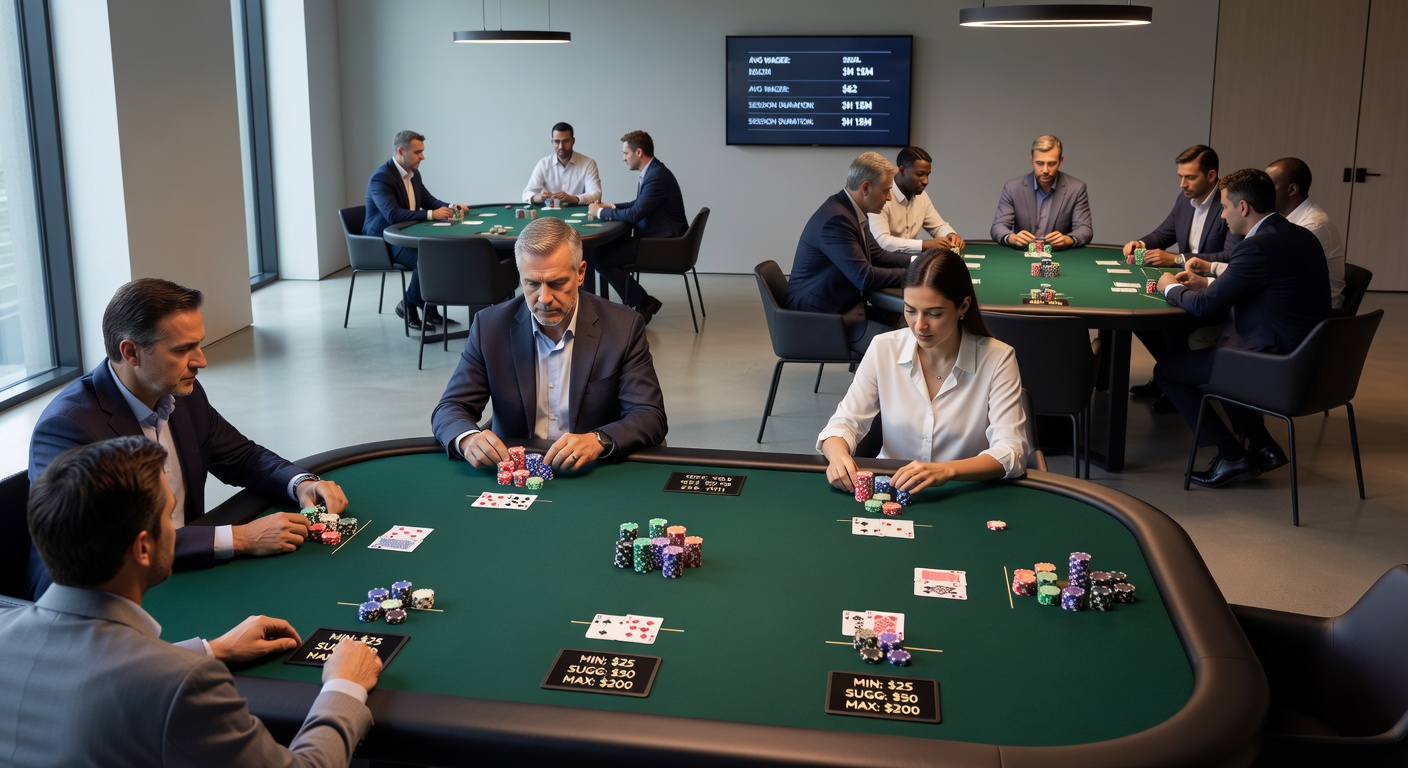
Supplemental task lighting at individual stations produces similar effects. Participants under localized illumination maintain more consistent progression through bet sizes because contrast between cards and background remains stable. Records from European operators that introduced these fixtures in late 2025 noted corresponding adjustments in average wager velocity during overnight sessions. The changes appear most pronounced among players who remain seated beyond typical break intervals.
Chair and Perimeter Adjustments
Modifications to seating density and chair orientation further connect to sizing tendencies. Tighter perimeter clusters around central tables create acoustic pockets that operators associate with accelerated bet escalation after extended exposure. Rooms that widened outer seating rings observed slower progression toward maximum table limits among those groups. These outcomes appear in aggregated floor data rather than individual tracking.
Proximity to ancillary service points such as beverage stations also registers in operational metrics. Tables located farther from these points show steadier sizing curves because players initiate fewer voluntary pauses that might otherwise reset focus. Regulatory filings submitted in May 2026 from several U.S. states documented these correlations across comparable session lengths.
Integrated Environmental Factors
Combined layout elements produce cumulative effects documented in cross-facility comparisons. Rooms that simultaneously adjusted table angles, lighting gradients, and walkway placements recorded more uniform bet sizing distributions over multi-hour intervals than facilities addressing single variables. Academic reviews of environmental psychology in gaming settings support these operational observations through controlled observation protocols.
Operators continue to refine these configurations based on ongoing data collection rather than static designs. Adjustments implemented after initial testing phases often yield incremental shifts in wager patterns that accumulate across repeated sessions. Figures from industry associations tracking North American card room performance through spring 2026 reflect these evolving practices.
Conclusion
Card room layout elements interact with session duration to shape observable wager sizing distributions. Spacing, lighting, and seating configurations each contribute measurable components that facilities monitor through standard operational reporting. Continued documentation across jurisdictions provides ongoing data points for understanding these environmental relationships.