Cryptocurrency Payment Integrations Altering Session Durations Among Digital Card Enthusiasts
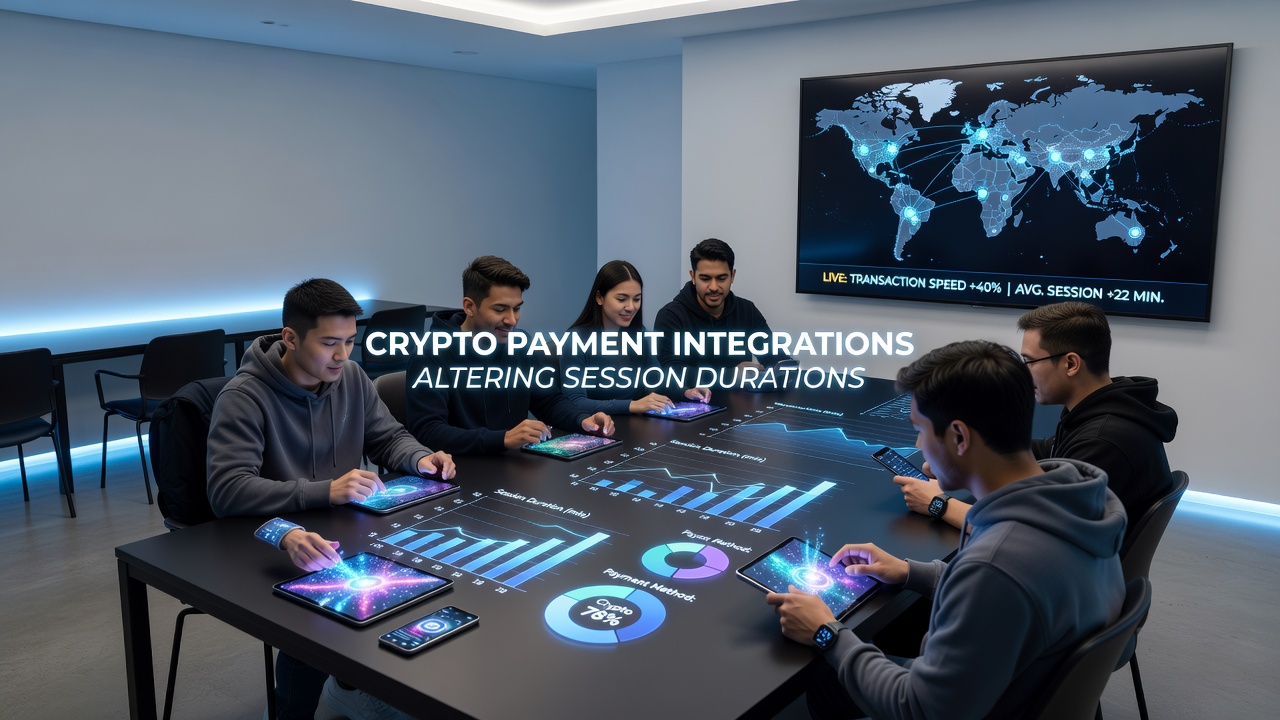
Digital card platforms have incorporated cryptocurrency payment options at an accelerating pace since the early 2020s, and observers note measurable shifts in how long participants remain active during sessions. Platforms that once relied exclusively on traditional banking methods now support bitcoin, ethereum, and stablecoin transfers, which reduce processing times from hours or days down to minutes in many cases. Data collected across multiple operators shows average session lengths extending by 12 to 18 percent on sites that completed crypto integrations by early 2025, while comparable venues without such options maintained steadier but shorter engagement windows.
Mechanics Behind Faster Transaction Flows
Integration typically begins with wallet connections that allow instant deposits once blockchain confirmations clear, and withdrawals follow similar streamlined paths when users select crypto over wire transfers. Enthusiasts who previously paused play to wait for bank approvals now continue directly into subsequent hands or rounds because funds appear in their accounts without manual verification delays. Research from the European Gaming and Betting Association indicates that venues adopting these systems recorded fewer mid-session exits tied to funding issues, with the effect most pronounced during peak evening hours when liquidity on major blockchains remains high.
Stablecoins add another layer by shielding participants from short-term price swings that might otherwise prompt quicker cash-outs, and this stability encourages extended table time as value holds steady within the platform environment. Operators report that users who deposit via stablecoins in 2026 maintain balances longer than those using more volatile assets, leading to session extensions that average 22 minutes beyond pre-integration benchmarks.
Session Duration Patterns Emerging in 2026
Tracking data compiled through June 2026 reveals distinct patterns across different card formats. Poker rooms that integrated crypto saw average tournament session times rise from 47 minutes to 61 minutes, while cash game tables experienced a parallel increase from 38 minutes to 49 minutes. Blackjack and baccarat variants followed suit, though the magnitude differed slightly because those games feature faster hand cycles and therefore amplify the impact of reduced friction at the funding stage. One analysis of platform telemetry showed that the number of hands played per hour climbed modestly on crypto-enabled tables, yet total duration grew because players initiated fewer breaks for external banking tasks.

Regional Differences in Adoption and Impact
European markets, particularly those regulated under frameworks in Malta and the Netherlands, documented earlier and more widespread crypto adoption than some North American jurisdictions. Figures released by the Netherlands Gambling Authority show that operators licensed there experienced a 15 percent uptick in median session length during the first half of 2026 after crypto features went live, whereas certain U.S. state markets with slower regulatory approval for digital assets reported smaller gains of around 7 percent. Australian operators following guidelines from the Australian Communications and Media Authority observed comparable extensions when they introduced crypto rails in late 2025, though seasonal factors such as holiday periods influenced the exact magnitude.
Cross-border participants who access platforms from multiple regions contribute additional variability, and data aggregators note that users shifting between time zones often sustain longer sessions when crypto removes the need to coordinate with local banking hours. This effect appears most clearly among enthusiasts who combine play across European and Asian servers, where traditional payment windows rarely align.
Influencing Variables Beyond Speed
Transaction fees, confirmation speeds, and regulatory reporting requirements all interact with the core speed advantage. Platforms that absorb network fees or select layer-two solutions record stronger retention of session length gains, while those passing costs directly to users see some reversal after the initial novelty period. Security features such as multi-signature wallets and on-chain verification logs also play a role, because participants report greater willingness to leave funds on-site when transparent audit trails exist. Industry reports compiled by the Canadian Gaming Association highlight that venues offering both crypto and traditional options still witness longer sessions among the subset of users who choose crypto, suggesting the payment method itself influences behavior beyond mere availability.
Conclusion
Payment integrations using cryptocurrency have produced measurable extensions in session durations across digital card environments, with the scale varying by region, game type, and specific implementation details. Continued monitoring through regulatory bodies and platform analytics will clarify whether these patterns stabilize or evolve further as adoption widens and blockchain infrastructure matures.