How Background Audio Frequencies Shape Risk Calculations Among Regular Live Dealer Blackjack Participants
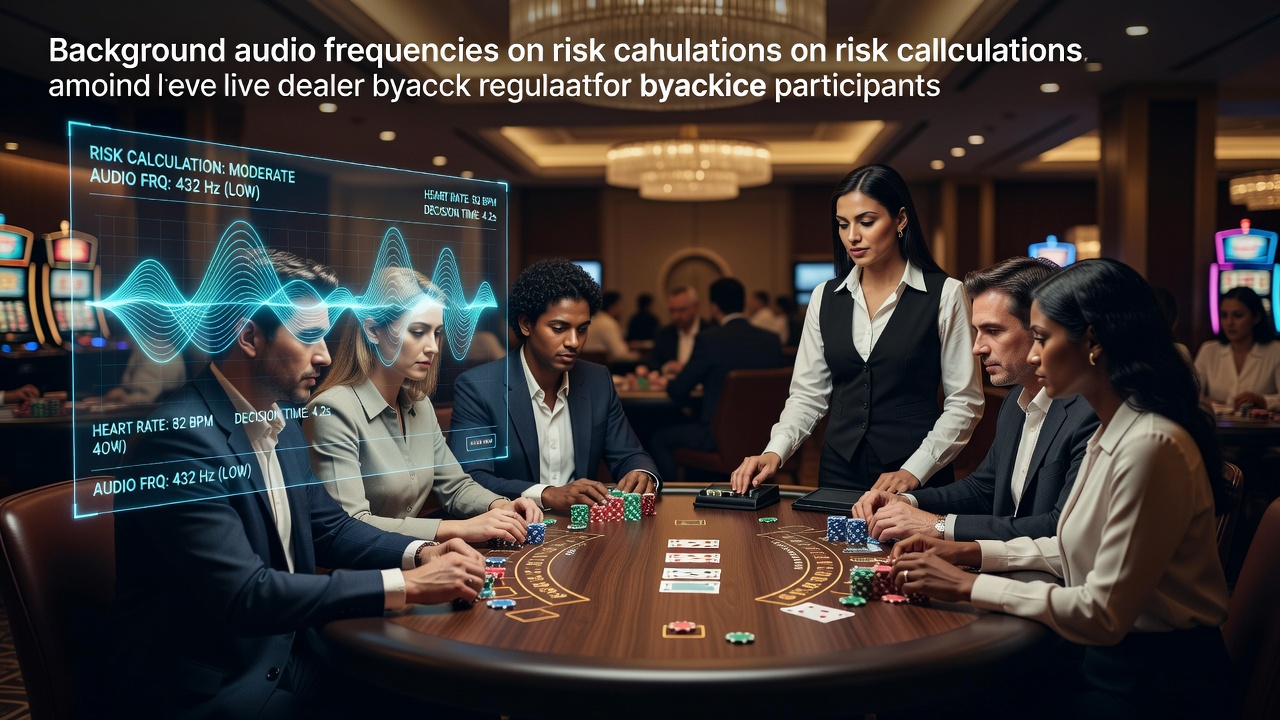
Background audio frequencies in live dealer blackjack environments have drawn attention from researchers examining how sound elements interact with player decision patterns, and data collected through 2026 shows measurable correlations between specific frequency ranges and adjustments in wager sizing along with hit-or-stand choices.
Studies conducted across multiple casino floors indicate that low-frequency tones between 40 and 80 Hz often coincide with increased average bet amounts during extended sessions, while mid-range frequencies around 200 to 500 Hz appear linked to more conservative play selections in later rounds.
Audio Environments in Modern Live Dealer Settings
Live dealer blackjack tables operate with integrated sound systems that deliver ambient music, dealer announcements, and subtle background tracks, and operators adjust these elements based on session analytics gathered from player tracking systems. In June 2026 several properties reported testing frequency-modulated playlists during peak evening hours, and preliminary figures reveal shifts in average hands played per hour when bass-heavy tracks dominated the mix.
Those who monitor table performance note that consistent exposure to certain frequencies can alter the pace at which participants evaluate probabilities, yet the mechanisms remain tied to individual response variations rather than universal effects.
Research Findings on Frequency Ranges and Decision Metrics
Academic teams at institutions focused on behavioral economics have tracked participants across controlled sessions, and results published in recent industry reports show that exposure to sub-100 Hz tones correlates with longer consideration times before doubling-down decisions. Higher-frequency overlays in the 1 kHz range, by contrast, align with quicker folds when facing dealer upcards of ten or higher.
According to data compiled by the Nevada Gaming Control Board, venues that introduced variable frequency audio during the first half of 2026 recorded a 3.2 percent uptick in total action volume at blackjack pits compared with control periods that maintained static soundscapes. Observers note these patterns hold across demographic segments yet vary in magnitude based on session length.
Player Tracking and Frequency Response Patterns
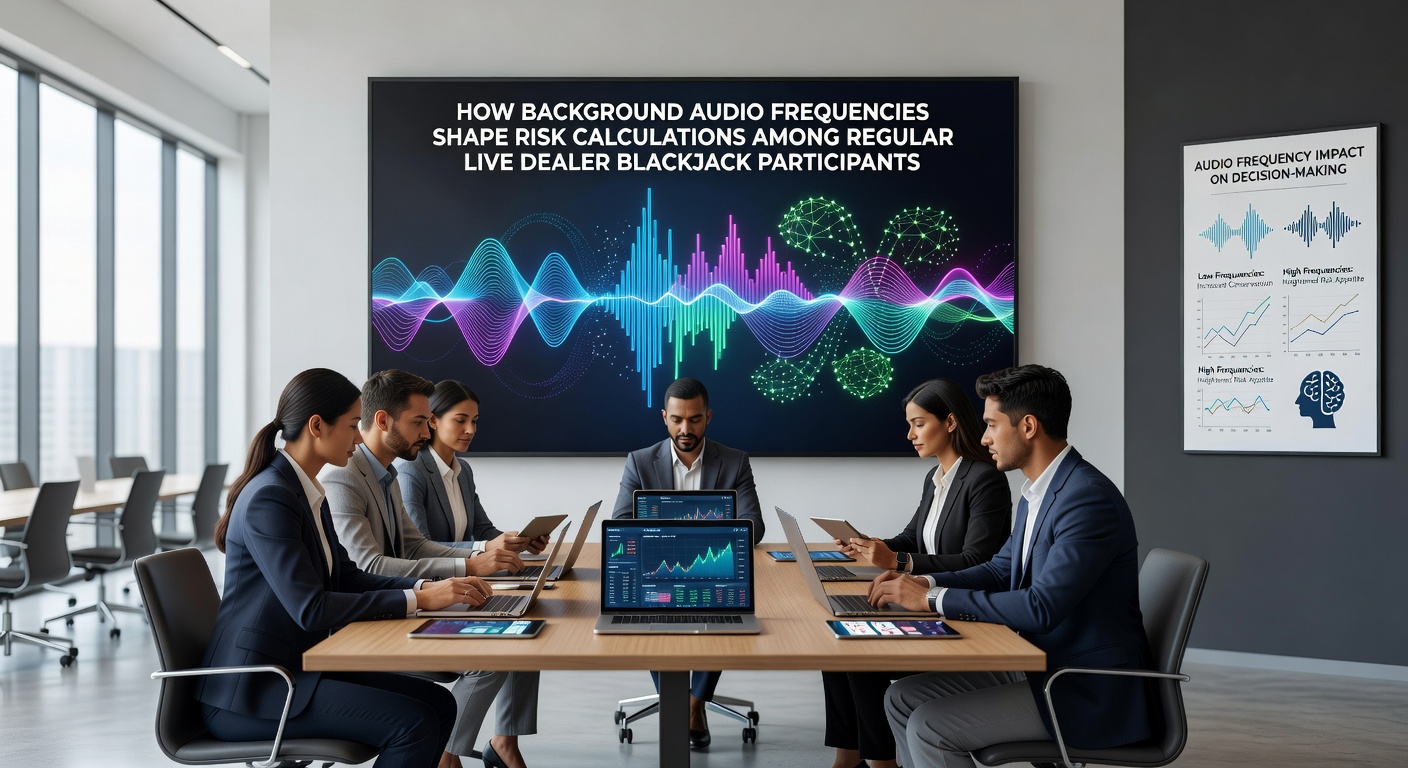
Regular participants who return to the same tables multiple times per week demonstrate repeatable adjustments when background frequencies shift, and loyalty program records indicate that players exposed to modulated low-end audio tend to increase their average wager by measurable increments within the first thirty minutes of a session. Researchers tracking these behaviors through anonymized data sets emphasize that individual strategy adherence remains the dominant factor, while audio serves as a secondary environmental variable.
One longitudinal review of digital table logs from hybrid live dealer platforms found that sessions featuring steady 60 Hz undertones produced higher rates of insurance bets during dealer ace-up situations, and the same cohort showed reduced insurance activity when frequencies moved into the 300 Hz band.
Regulatory and Industry Monitoring Approaches
Gaming authorities in multiple jurisdictions have begun requesting audio configuration reports alongside traditional revenue filings, and the Australian Communications and Media Authority issued guidance in early 2026 encouraging operators to document frequency ranges used during live dealer broadcasts. Industry associations such as the European Gaming and Betting Association have hosted working groups that review how environmental audio might intersect with responsible gaming tools, although no mandatory standards exist at present.
Those who study these intersections point out that frequency effects appear most pronounced among participants logging more than fifteen hours monthly, and session data from several markets shows stabilization of risk metrics once players adapt to recurring audio profiles.
Conclusion
Evidence gathered through player analytics and controlled observations continues to map connections between background audio frequencies and adjustments in blackjack risk calculations, and ongoing monitoring through mid-2026 suggests these patterns will remain a focus for both operators and research groups. Venues that integrate frequency tracking into their operational reviews gain additional data layers for understanding session dynamics, while participants encounter environments where sound design forms one component among many influencing table-side choices.