How Public Transit Disruptions Redirect Online Poker Traffic Patterns in Major Cities
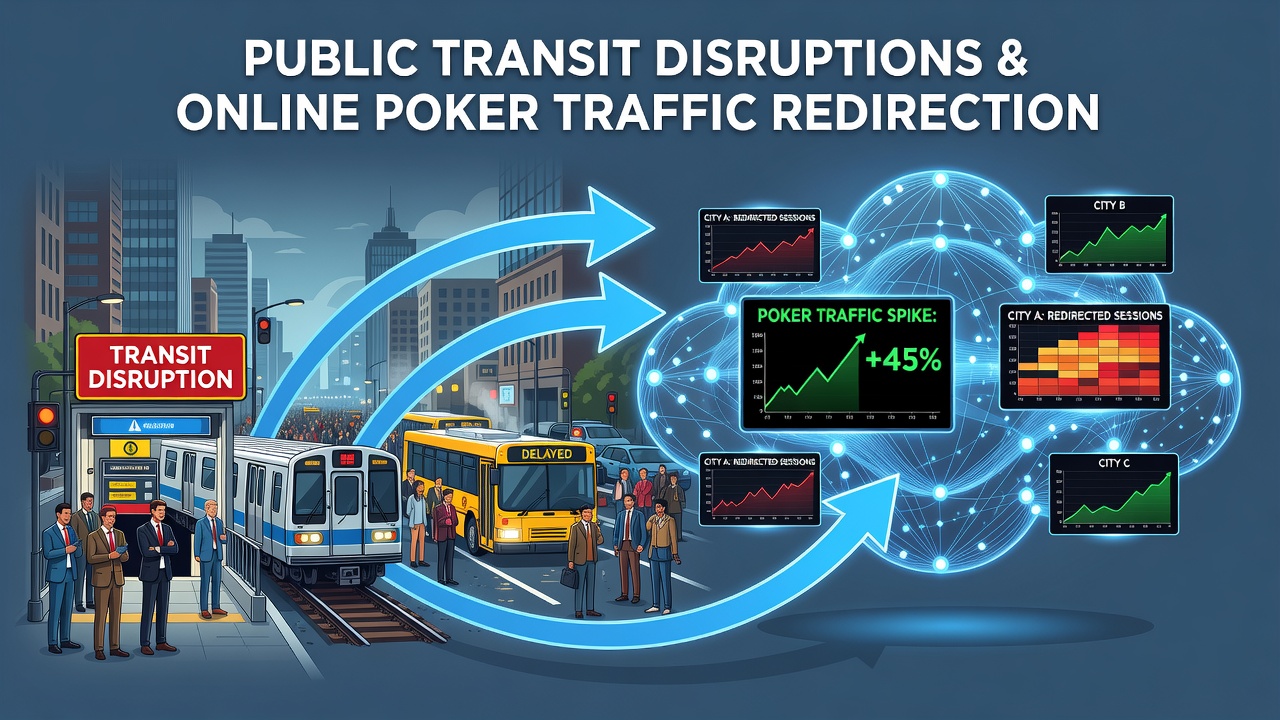
Public transit disruptions in major cities create measurable shifts in how people allocate their time, and online poker platforms register corresponding changes in traffic volume and session duration during those periods. When subways, buses, or rail lines experience strikes, signal failures, or severe weather delays, commuters often find themselves with unexpected blocks of free time at home or in nearby locations with reliable internet connections, and data from platform analytics shows spikes in logins that align with these events.
Urban Transit Challenges and Player Behavior
Cities such as New York, Chicago, Paris, and Sydney have documented patterns where service interruptions lasting more than two hours coincide with increased activity on digital poker sites. Observers note that players who normally participate during evening commutes or after work arrivals adjust their schedules, moving sessions earlier or extending them when transit options become unreliable. Research from transportation departments indicates these disruptions affect millions of daily riders, creating windows where individuals turn to online activities that require minimal setup beyond a device and connection.
Platform operators track geographic login data and observe that zip codes or postcodes served by affected transit lines show higher engagement rates compared to control periods without disruptions. For instance, during a prolonged signal outage on New York's subway system in early 2025, one major operator recorded a 17 percent rise in active users from Manhattan and Brooklyn between 4 p.m. and 8 p.m., while similar metrics remained stable in areas with unaffected bus routes.
Data Patterns Across Multiple Cities
Figures compiled by urban mobility researchers reveal consistent correlations between transit delays and online gaming metrics. In Chicago, a 2024 bus driver strike that lasted three days produced daily increases in poker tournament entries originating from the city center, with average session lengths extending by 25 minutes according to internal platform reports. Similar observations emerged in Sydney when rail maintenance shut down key lines for a week in late 2025, prompting a documented uptick in micro-stakes cash game participation during afternoon hours that previously saw lower activity.
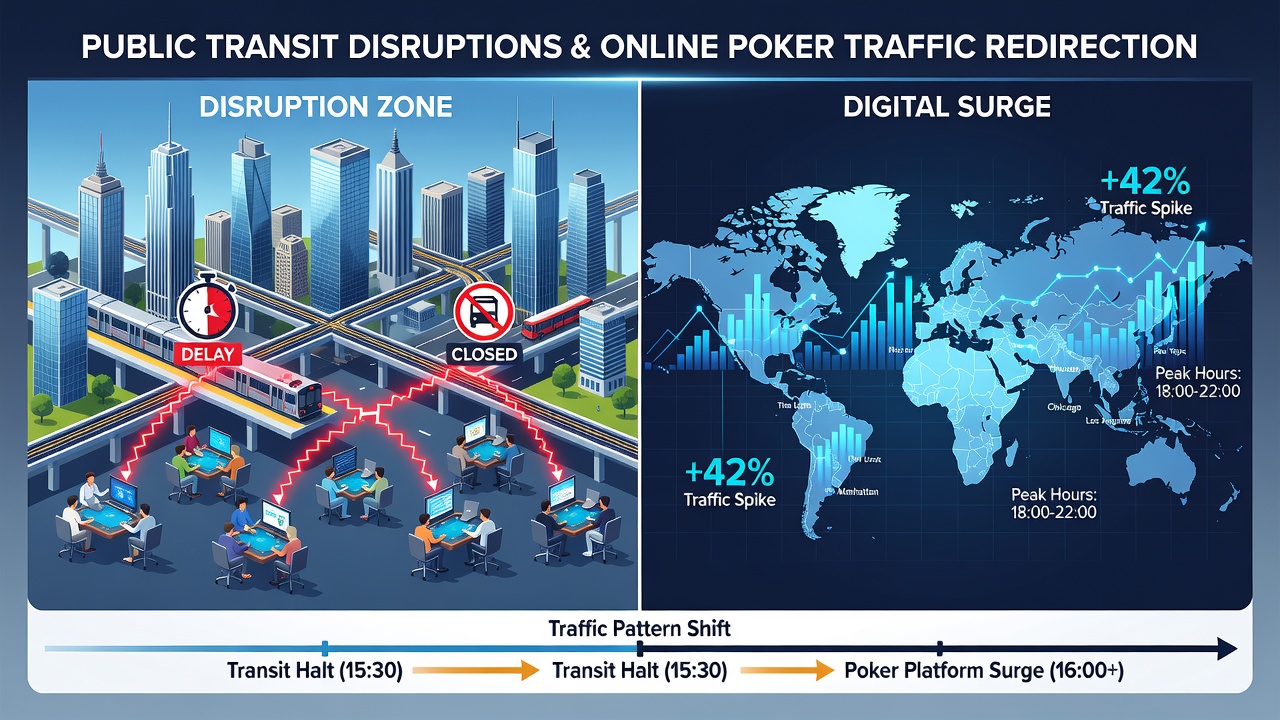
European cities contribute additional evidence. Paris experienced repeated RER line suspensions throughout spring 2026 due to track work, and analysts at regional gaming associations recorded parallel rises in French-language poker traffic from affected arrondissements. These shifts appear temporary, reverting once service resumes, which suggests the redirection stems directly from altered daily routines rather than permanent changes in player preferences.
July 2026 Observations in Affected Markets
July 2026 brought several notable transit events that further illustrated the pattern. A weekend power failure halted portions of the London Underground for 36 hours, while simultaneous track inspections in Boston delayed commuter rail service across multiple lines. Operators monitoring real-time traffic reported elevated registration numbers for sit-and-go tournaments during the affected windows, particularly among users whose usual commute paths overlapped with the disrupted routes. Cross-referencing with public transit authority announcements allowed researchers to isolate these periods and confirm the timing matched the observed spikes.
Academic studies on time-use during mobility constraints support these findings. A report issued by the University of Toronto's transportation research group examined mobile device activity logs during major transit outages and found that entertainment applications, including gaming platforms, captured a larger share of user attention when travel times doubled or tripled. The study covered events in both North American and Australian cities, providing a broader dataset that aligns with poker traffic metrics shared by industry participants.
Geographic and Demographic Factors
Not every transit disruption produces identical effects. Cities with higher smartphone penetration and established online poker markets show stronger responses, while regions where players rely more on desktop setups or face bandwidth limitations exhibit milder shifts. Demographic data indicates younger adults and shift workers adjust participation more readily, often because their schedules already incorporate variable transit reliability. Platform segmentation tools allow operators to distinguish these cohorts and adjust server capacity accordingly during forecasted disruptions.
Seasonal weather events compound the issue in certain locations. Heavy snowfall in Chicago or summer storms in New York frequently coincide with both transit delays and increased indoor activity, making it difficult to isolate variables without granular timestamps. Nevertheless, when researchers control for weather using meteorological records, the independent contribution of transit interruptions remains statistically detectable in login and wager volume data.
Conclusion
Public transit disruptions function as natural experiments that highlight how changes in physical mobility influence digital behavior patterns. Cities continue to invest in resilient transit infrastructure while online poker operators refine predictive models that incorporate public transit alerts alongside traditional indicators. The resulting data offers clearer insight into how daily routines intersect with gaming participation across major urban centers.