Interface Color Schemes Shaping Wager Timing in Virtual Table Games
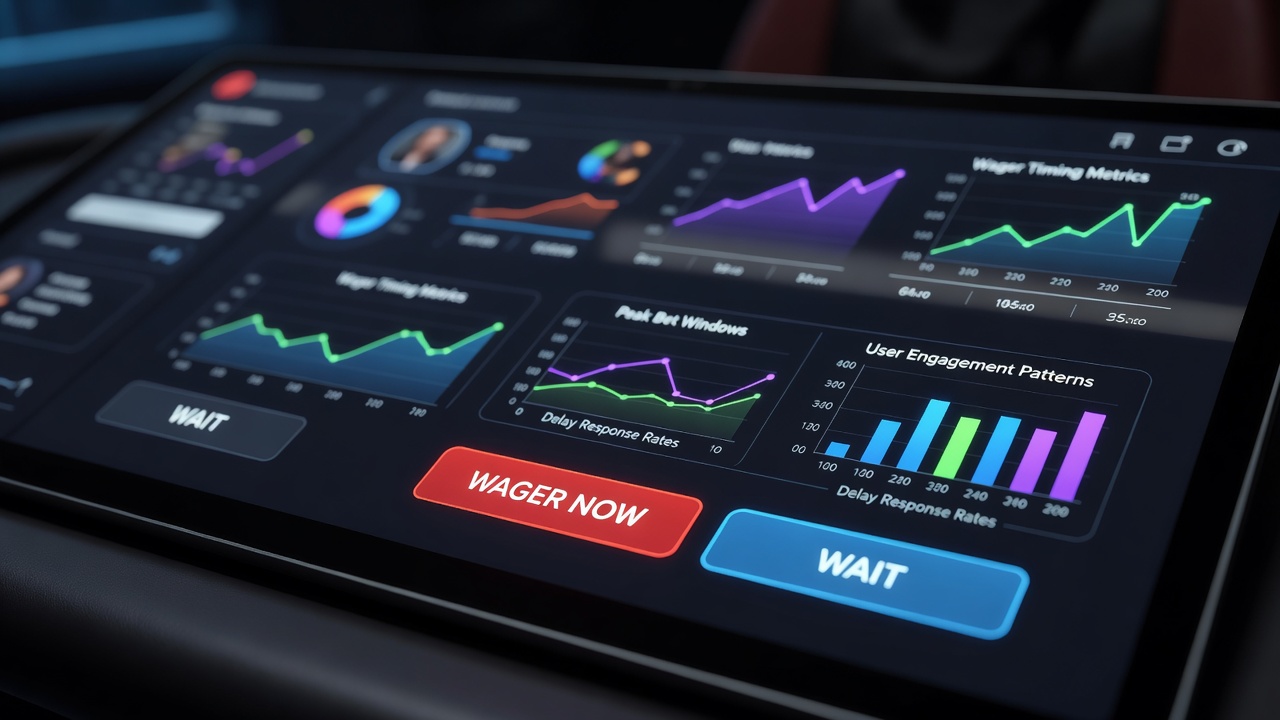
Virtual table enthusiasts encounter color schemes that extend beyond aesthetics and directly influence the pace at which wagers occur during sessions, and data from multiple platforms indicates measurable shifts in timing patterns tied to these design choices. Warm hues such as reds and oranges appear in many interfaces, while cooler tones like blues and greens feature in others, and researchers track how each palette correlates with bet placement intervals across poker, blackjack, and roulette environments. Observers note that these variations emerge consistently in user activity logs collected during 2026, particularly as operators refine applications to manage engagement levels.
Color Psychology Applied to Digital Gaming Interfaces
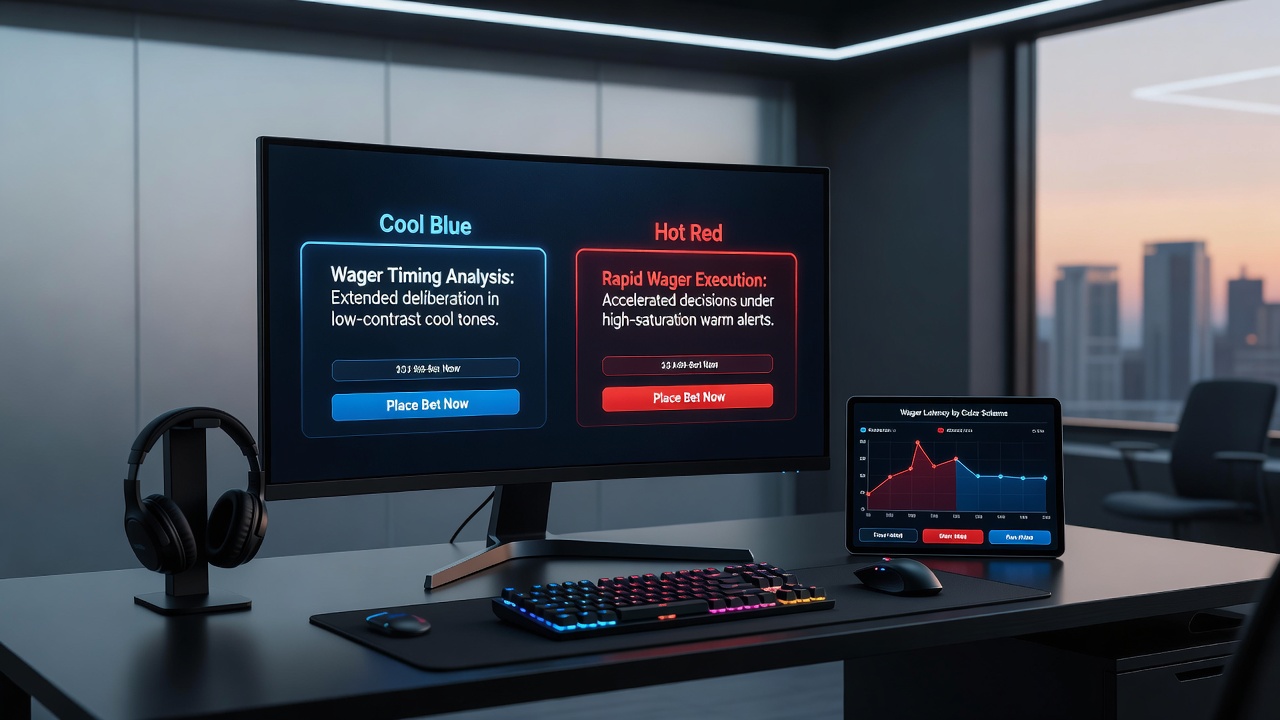
Studies conducted by institutions focused on human-computer interaction show that red accents accelerate decision cycles in simulated gambling scenarios, whereas blue elements extend deliberation periods before bets register. This pattern holds across large datasets from North American and European platforms, where interface updates in early 2026 produced measurable differences in average wager intervals. Those who analyze session metrics report that participants exposed to dominant warm palettes place initial bets 12 to 18 seconds faster on average than users viewing cooler schemes during equivalent table games.
Yet the effect compounds when multiple elements combine, and platform developers adjust saturation levels alongside hue selections to fine-tune these outcomes. Data collected through July 2026 reveals that high-contrast warm interfaces correlate with shorter gaps between consecutive wagers in extended poker sessions, while muted cool palettes align with more deliberate spacing in blackjack rounds.
Observed Timing Shifts Across Popular Table Formats
Platform analytics from operators serving mixed markets demonstrate that roulette interfaces featuring orange and red borders record quicker spin initiations compared with versions using teal or navy backgrounds. Similar distinctions surface in live dealer poker environments, where color adjustments implemented mid-year produced changes in pre-flop action timing among recurring participants. Figures from industry reports indicate these modifications affect not only individual bets but also overall session flow without altering game rules or payout structures.
One documented case involved a Canadian operator that transitioned select tables from neutral grays to warm gradients, after which wager frequency increased during peak evening hours while average bet sizes remained stable. Conversely, platforms emphasizing cooler palettes in Australian markets showed extended pauses between decisions during comparable time frames, according to aggregated telemetry shared by regional gaming associations.
Platform Implementation Trends in Mid-2026
Operators continue testing color variants through A/B frameworks, and results feed directly into interface revisions rolled out across multiple jurisdictions. Research from the University of Nevada's gaming studies division tracks these experiments, noting that participants consistently adapt their pacing within the first few hands when exposed to new palettes. This adaptation occurs without explicit instruction, suggesting automatic responses shaped by visual cues rather than conscious strategy adjustments.
Design teams incorporate accessibility considerations alongside timing objectives, ensuring contrast ratios meet standards while still directing user attention through color placement. Those reviewing compliance reports observe that these dual priorities produce interfaces capable of guiding wager rhythm without compromising visibility for users with varying visual needs.
Regional Variations and Data Patterns
Cross-border comparisons highlight differences in how color schemes interact with local player demographics, and Canadian regulatory summaries from 2026 show cooler palettes correlating with steadier timing distributions in online table environments. Meanwhile, reports from the American Gaming Association note that warm-dominant interfaces appear more frequently in markets where rapid session turnover aligns with operator goals. These patterns emerge from large-scale logs rather than controlled laboratory settings, yet they repeat across independent datasets gathered during the first half of the year.
Additional context comes from academic examinations of digital environments, where color temperature influences perceived urgency even when participants report no awareness of the design variable. Such findings align with broader observations in virtual table settings, where timing metrics shift measurably following palette updates.
Conclusion
Interface color schemes function as subtle yet consistent factors in wager timing among virtual table enthusiasts, with documented correlations appearing across platforms and regions throughout 2026. Continued monitoring by research groups and industry bodies provides ongoing data on how specific hues and combinations shape decision intervals in poker, blackjack, and related formats. These observations remain grounded in activity logs and platform metrics rather than subjective interpretation, offering a factual basis for understanding design influences on participant behavior.