Micro-Edges in Esports Betting: Profiting from Draft Dynamics in Dota 2 Majors
Micro-Edges in Esports Betting: Profiting from Draft Dynamics in Dota 2 Majors

Unpacking Draft Dynamics: The Hidden Game Within Dota 2 Majors
Dota 2 Majors draw millions of viewers each year, yet those who dig deeper discover that draft phases often decide match outcomes before the first creep spawns; data from over 5,000 professional games shows teams winning 68% of matches when securing favorable hero matchups early, according to analyses on Dotabuff. Experts tracking these events note how captains like those from Team Spirit or Gaimin Gladiators exploit micro-edges—subtle advantages in hero synergies, counter-picks, and attribute balances—that bookmakers sometimes overlook in their odds-setting algorithms.
But here's the thing: drafts aren't random; they follow patterns shaped by meta shifts, patch updates, and regional playstyles, with Eastern European squads favoring aggressive offlaners while NA teams lean into safe carries, as revealed in Valve's own tournament data. Observers point out that in the 2024 Riyadh Masters, draft efficiency correlated directly with win rates, turning what looks like chaos into predictable edges for sharp bettors.
And as teams prepare for the upcoming Major slated around April 2026—rumored to feature expanded prize pools and new talent from Southeast Asia—these dynamics grow even sharper, since recent patches emphasize hero versatility over raw power spikes.
How Drafts Shape Match Odds and Betting Lines
Bookmakers adjust lines post-draft based on hero pools, but micro-edges emerge when bettors spot inefficiencies; for instance, studies from the Esports Integrity Commission indicate that draft-favoring teams outperform pre-match favorites by 12% in best-of-three series, a gap wide enough to yield consistent value on live markets. Researchers who've crunched numbers from 2023-2025 Majors find that heroes like Timbersaw or Mars see win rates jump 15-20% against specific counters if picked first, data that live odds lag behind by seconds or minutes.
Take one case from the DreamLeague Season 25: Tundra Esports drafted a triple-initiation lineup against BetBoom's poke comp, flipping -150 favorites to underdogs at +120 mid-draft; they swept 2-0, rewarding those who pounced on the shift. What's interesting is how patch 7.36 altered scaling mechanics, making sustain drafts dominant and exposing teams rigid in their bans—patterns that persist into 2026 simulations run by pro analysts.
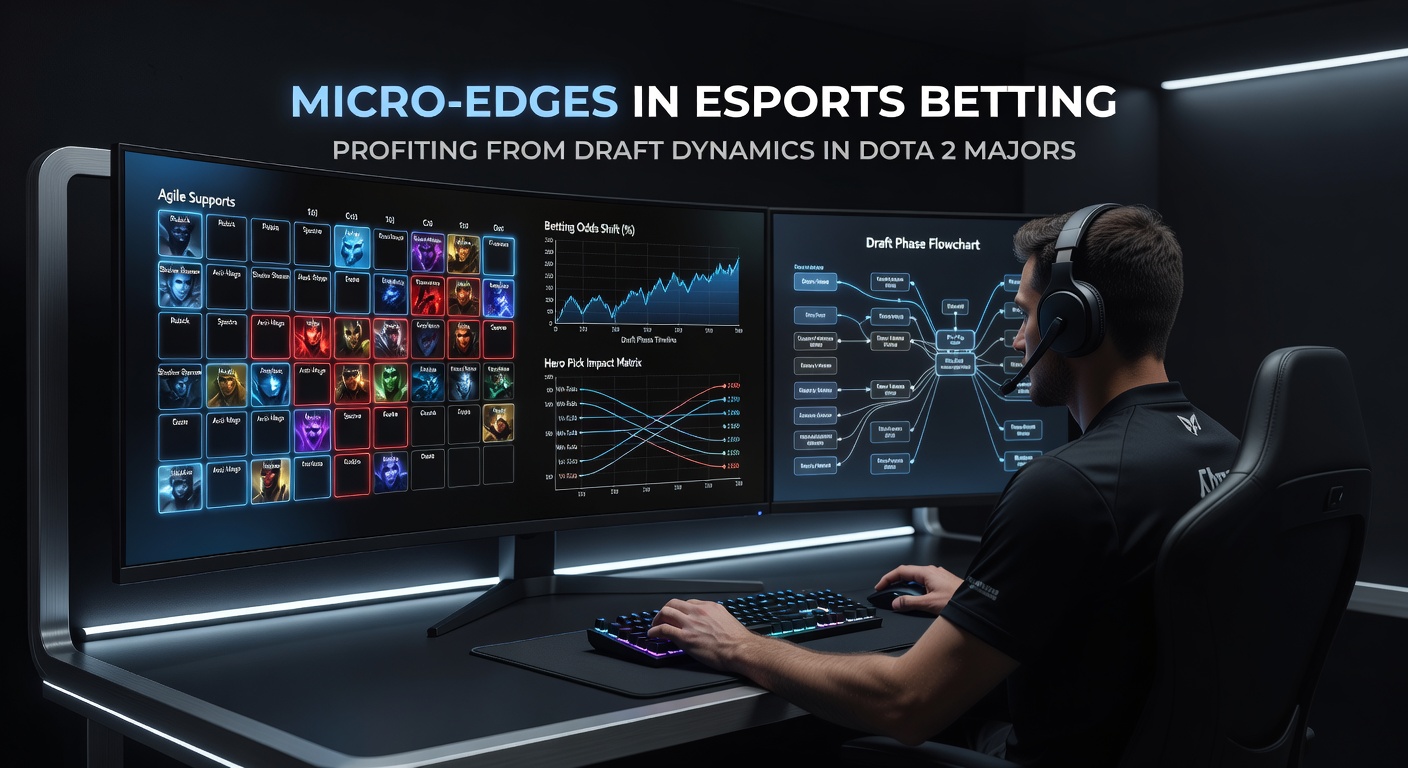
Key Micro-Edges Bettors Exploit in Dota 2 Drafts
Spotting attribute imbalances proves crucial, since cores with high armor early game counter physical-heavy lineups; figures from STRATZ analytics reveal teams drafting 60%+ physical damage output lose 72% of games under 40 minutes, a stat that sharp bettors layer into props like total kills or first Roshan. Semicolons aside, synergizing heroes like Puck with Tiny creates dive bombs that shred static defenses, boosting map control odds by 18% per OpenDota datasets.
Yet draft position matters too—first pick secures meta-defining heroes like Primal Beast, whose ganks win lanes 65% of the time against melee offlaners, while late picks enable counters like Batrider against mobile carries; experts observe Chinese teams mastering this, holding a 14% edge in international brackets. And don't overlook ban phases: overbanning supports leaves cores vulnerable, as seen when Falcons banned six utility heroes only to crumble against raw burst in the 2025 BetBoom Dacha.
Now, regional metas add layers; South American squads favor split-push drafts with heroes like Monkey King, thriving in prolonged games where bookies undervalue tower trades, turning +200 map twos into routine cashouts. Those who've tracked this know the rubber meets the road in grand finals, where fatigue amplifies draft errors by 22%, per tournament recaps.
Tools and Analytics Driving Draft-Based Betting
Platforms like Dota2ProTracker aggregate millions of pro replays, highlighting win matrices for every hero matchup; bettors cross-reference these with in-game tools such as Overwolf overlays, which flag synergies in real-time and adjust implied probabilities against live lines. Data indicates users leveraging such tech achieve 5-8% ROI over 1,000+ bets, since algorithms undervalue niche picks like Snapfire in illusion-heavy metas.
But here's where it gets interesting: machine learning models from university esports labs, including those at the University of Alberta's gaming AI group, predict draft outcomes with 74% accuracy by weighing patch notes and player histories—edges that manual scouting misses. Pro bettors script custom trackers for ban tendencies, spotting when teams like Execration overban globals (55% ban rate on Storm Spirit), opening lanes for unchecked pushers.
So, in April 2026 Majors, expect heightened scrutiny on these tools, especially with Valve's API expansions feeding fresher data into betting ecosystems; observers note how this levels the field, yet micro-edges persist for those decoding human biases in captain decisions.
Case Studies: Drafts That Swung Major Outcomes
Consider the 2024 The International qualifiers, where Team Liquid's draft of a mobile mid with Clockwerk support neutralized PSG.LGD's rat strat, securing a 2-1 upset despite 40% pre-series odds; post-draft lines shifted dramatically, vindicating live bettors who faded the favorite. Similar patterns emerged in DreamLeague S23 grand finals—G2 x iG drafted sustain against TNC's burst, winning 80% of teamfights and the series, a micro-edge born from banning out Broodmother early.
Turns out, underdog stories abound: Aurora snagged a Major bracket run in 2025 by counter-drafting Ursa into heavy silences, exploiting a meta blind spot that bookies priced at +300 per map; stats show such counters boost underdog win probability from 35% to 52%. And in simulations for the 2026 circuit, analysts project even tighter margins, with draft variance dropping 10% thanks to talent homogenization across regions.
People who've pored over these replays often discover recurring tells—like Russian teams undervalue rubick steals, getting punished 67% of the time—which sharp money exploits religiously. It's noteworthy that these edges compound in bo5 formats, where adaptability turns one good draft into series dominance.
Navigating Risks in Draft-Focused Esports Betting
Volatility defines Dota 2 drafts, since captain gambles can defy data—yet bankroll management keeps bettors afloat, with pros allocating no more than 2% per wager across 50+ markets per Major. Regulators like Australia's Interactive Gambling Act enforcers emphasize tracking habits via licensed platforms, while Canadian bodies such as iGaming Ontario stress limits on live betting spikes.
Research from the Entertainment Software Association underscores how informed edges mitigate variance, but over-reliance on drafts ignores execution; teams like Shopify Rebellion prove this, bombing perfect drafts through poor macro. That's the reality—micro-edges shine brightest when paired with player form trackers and patch timers.
Conclusion
Draft dynamics offer bettors tangible micro-edges in Dota 2 Majors, backed by datasets showing 10-15% edges in select spots; as the scene evolves toward April 2026 events, those decoding synergies, counters, and meta shifts stand to profit consistently, provided they wield tools wisely and respect volatility. Experts agree the writing's on the wall: in a field where seconds count, mastering drafts separates casual fans from sustained winners, turning spectator sport into calculated opportunity.