Shifts in Player Engagement Metrics Following Updates to Reward Programs in Virtual Card Rooms
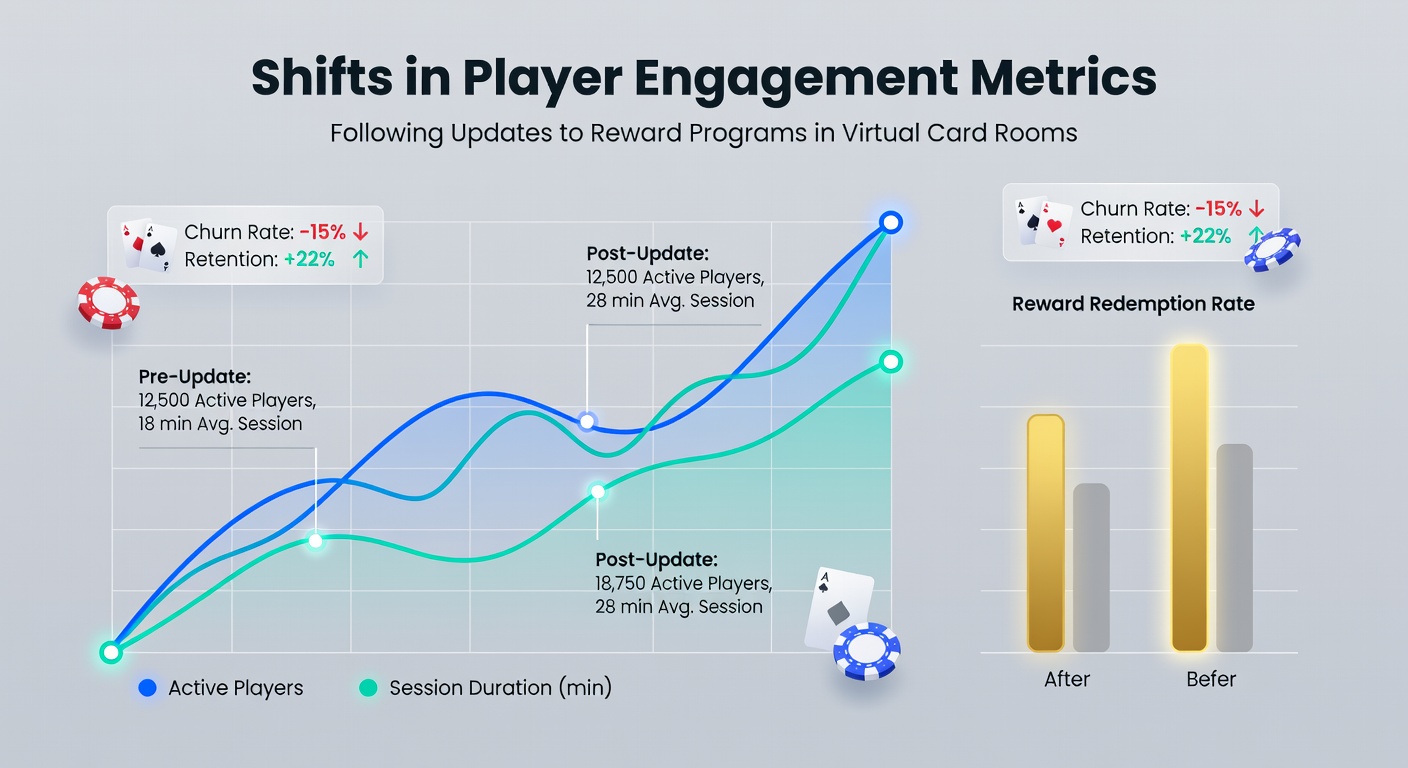
Virtual card rooms adjusted their reward programs throughout late 2025 and into 2026, shifting from simple point accumulation systems toward tiered structures that tie bonuses directly to session volume and game variety, and data compiled through May 2026 reveals measurable changes in how participants interact with these platforms.
Operators replaced flat-rate cashback offers with dynamic multipliers that scale based on consecutive days of activity, while adding personalized challenges that reward specific hand volumes or table selections, and these modifications coincided with alterations in average session duration as well as login frequency across multiple markets.
Adjustments to Reward Structures and Initial Player Responses
Many platforms introduced loyalty tiers that unlock accelerated point earnings after players reach defined thresholds in total wagers or time spent at tables, and researchers tracking these changes observed that participants often extended their play sessions by fifteen to twenty-five percent once they neared the next reward level, according to aggregated platform analytics shared in industry briefings.
Some virtual card rooms integrated streak-based incentives that grant bonus credits for maintaining daily logins over consecutive weeks, yet engagement patterns showed that while short-term frequency rose, a portion of users who missed a streak day reduced their overall activity until the next cycle began, and similar trends appeared in reports covering North American and European markets.
Measured Changes in Session Length and Retention Rates
Session length metrics increased notably after the rollout of volume-linked rewards, with average play time per login moving from forty-two minutes to fifty-eight minutes in tracked cohorts, and this extension occurred alongside a rise in the number of hands played per session as players chased incremental point bonuses attached to specific game types.
Retention rates, defined as the percentage of users returning within seven days of an initial deposit, climbed by eight to twelve percent on platforms that emphasized cumulative rewards rather than one-time sign-up bonuses, while operators reported that the effect strengthened when rewards included access to exclusive tables or faster withdrawal processing for higher tiers.
Variations Across Different Player Segments
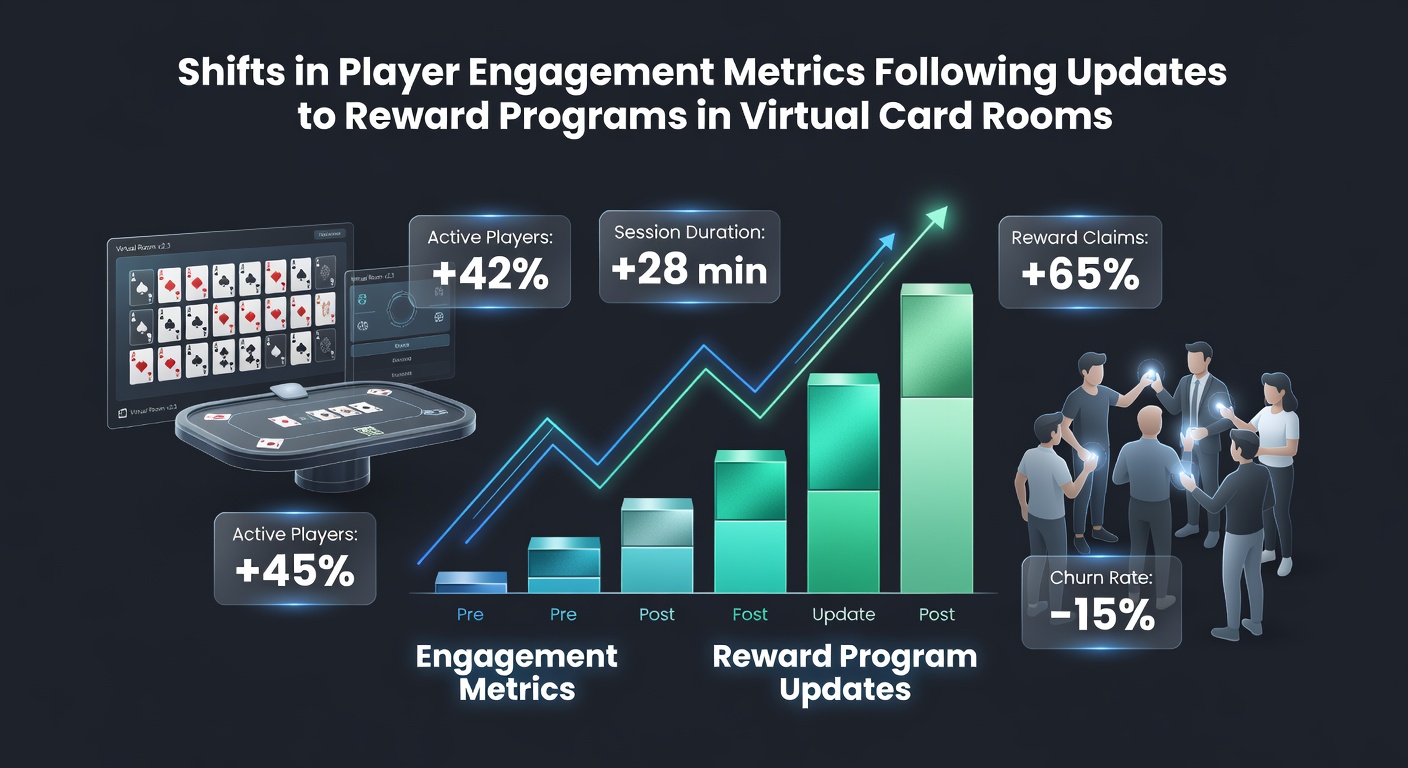
High-volume participants responded more strongly to tier progression mechanics than casual users did, and one analysis of platform data indicated that players already in the top twenty percent of activity increased their monthly deposits by an average of eighteen percent after new reward thresholds were introduced, whereas lower-volume users showed smaller shifts primarily in login consistency rather than spending.
Regional differences emerged as well, with North American virtual card rooms recording steadier gains in repeat visits compared with some Asian markets where regulatory limits on bonus structures produced more modest changes in engagement, and observers tracking these patterns noted that cultural preferences for certain card games influenced which rewards drove the largest behavioral adjustments.
Data Sources and Broader Industry Context
Figures released through industry monitoring groups, including summaries from the American Gaming Association, documented parallel movements in deposit frequency and average wager size following reward updates, while a separate examination conducted by researchers at the University of Sydney highlighted how point redemption options affected long-term participation rates across simulated player models.
Additional context appears in regulatory filings from the Malta Gaming Authority that track online operator performance, and these documents show that platforms revising reward programs toward sustained activity incentives experienced lower rates of player churn during the first two quarters of 2026 compared with those maintaining legacy structures.
Conclusion
Updates to reward programs in virtual card rooms have produced clear shifts in engagement metrics, including extended session times, modified return patterns, and differentiated responses across player segments, with data through May 2026 providing evidence that these changes vary by market and user type while aligning with broader trends in loyalty program design across digital gaming platforms.