The Interconnection Between Circadian Rhythm Disruptions and Wager Frequency Adjustments Among Remote Table Game Enthusiasts
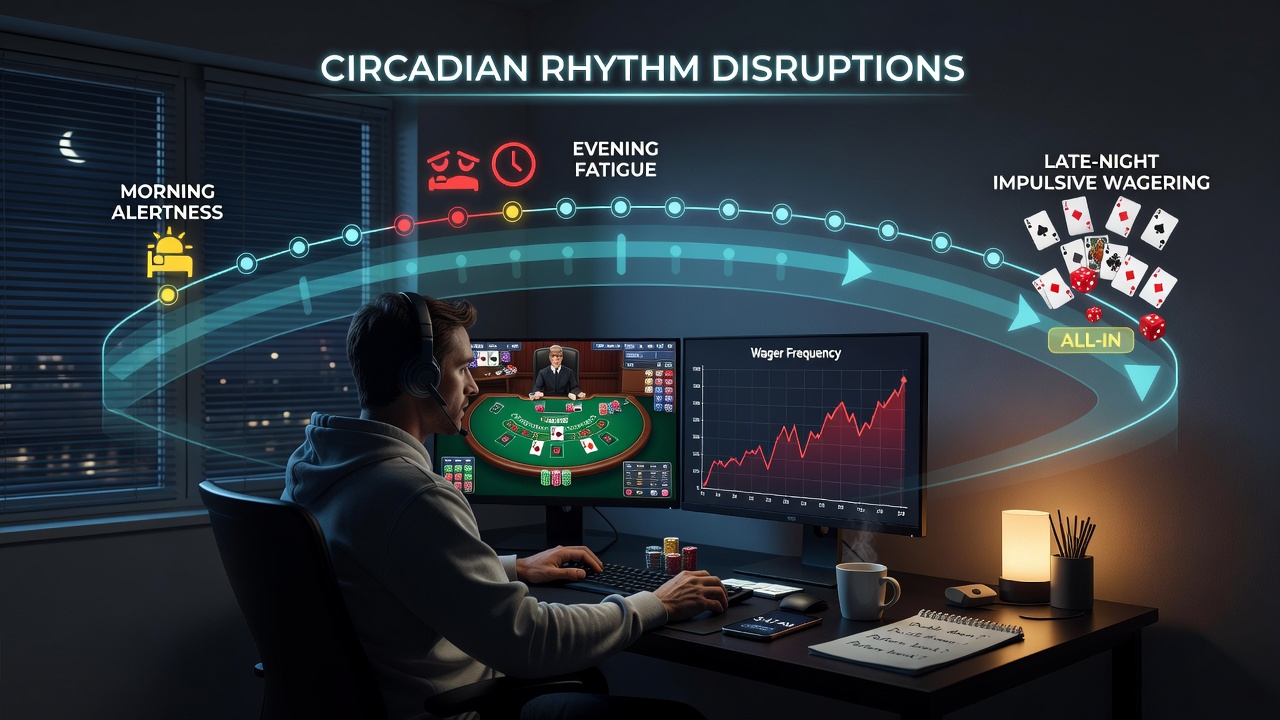
Remote table game enthusiasts often maintain extended play sessions that extend well into nighttime hours, and researchers have documented connections between these patterns and shifts in circadian rhythms that influence subsequent wager frequency decisions. Data collected across multiple platforms shows participants adjusting bet sizes and session intervals when sleep cycles become irregular, particularly during periods when natural light exposure decreases.
Circadian Influences on Decision Timing
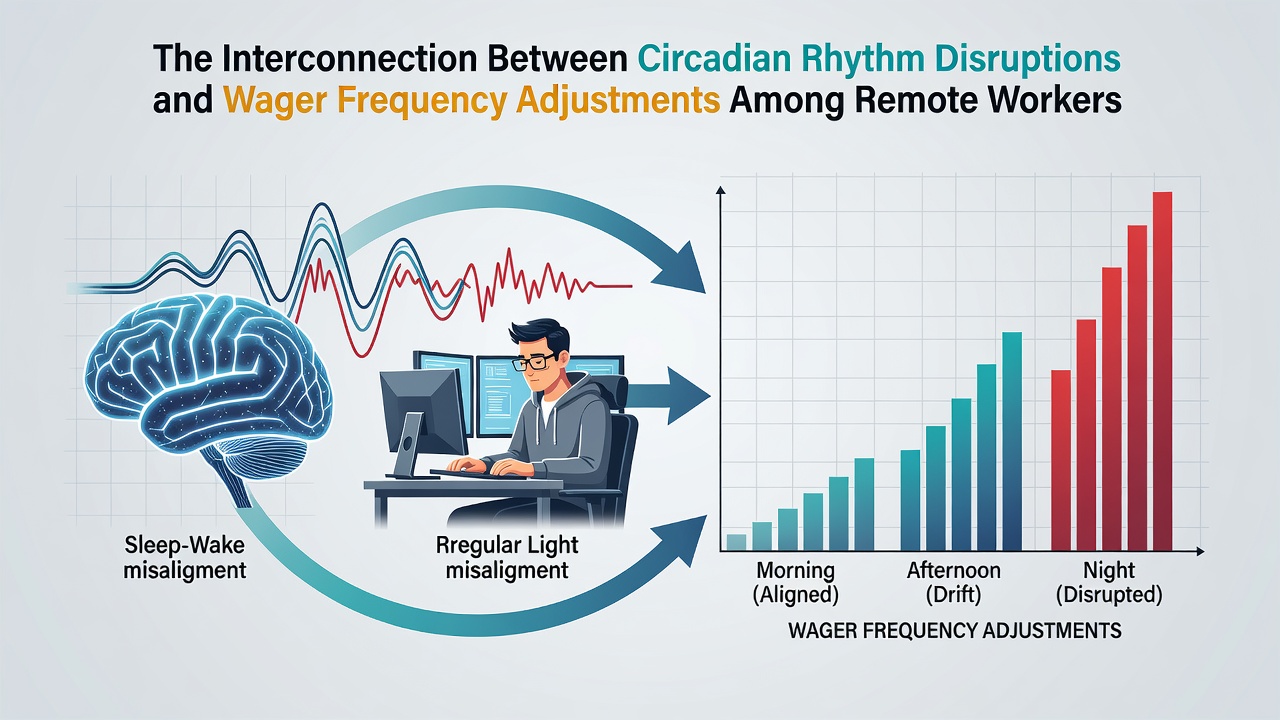
Studies conducted through academic institutions reveal that disruptions to the body's internal clock correlate with measurable changes in how often individuals place wagers in digital blackjack, roulette, and poker environments. Observers note that enthusiasts who play past typical sleep onset times demonstrate increased intervals between decisions during morning recovery periods, while evening sessions produce more rapid successive bets. These adjustments appear tied to physiological markers such as melatonin levels and core body temperature fluctuations rather than conscious strategy choices.
Figures from longitudinal tracking indicate that players experiencing phase delays in their sleep-wake cycles reduce average wagers per hour by noticeable margins once daylight resumes, yet they compensate with higher frequency bursts when circadian misalignment peaks around midnight. Such patterns hold across different time zones and platform types, suggesting a biological component that operates independently of game rules or promotional incentives.
Data Patterns from Recent Tracking
Analysis of server logs from major operators during the first half of 2026 highlights seasonal spikes in wager frequency adjustments that align with daylight saving transitions and extended evening participation. In regions where remote gaming participation remains high year-round, records show participants logging shorter but more numerous sessions immediately following nights of fragmented rest. One dataset released in June 2026 by a collaborative research group in Canada demonstrated that individuals reporting irregular bedtimes placed 18 percent more micro-bets during afternoon windows compared to those maintaining consistent schedules.
European research initiatives have produced similar findings through wearable device integration that monitors both sleep metrics and real-time betting activity. Participants who accumulated sleep debt over consecutive days exhibited compressed decision windows during live dealer sessions, resulting in elevated wager counts within shorter timeframes before fatigue prompted longer breaks. These observations come from controlled comparisons that account for variables such as account age, game variety, and geographic location.
Geographic and Platform Variations
Regulatory bodies in Australia have compiled participation statistics that further illustrate how circadian factors intersect with remote table game behavior across different climates and work schedules. Reports indicate stronger correlations between disrupted rhythms and wager clustering among users in urban areas with extended artificial lighting, where natural cues for sleep become less reliable. Meanwhile, North American platform operators have shared anonymized aggregates showing that shift workers adjust their betting cadence more dramatically than daytime professionals when circadian misalignment intensifies.
Academic papers published through university partnerships emphasize that these adjustments do not necessarily translate to increased overall expenditure but rather to redistributed timing of activity. Players often maintain consistent total action across a week while altering the distribution of individual wagers to accommodate recovery periods after late sessions. This redistribution becomes especially evident during periods of rapid schedule changes, such as those occurring around major sporting events or holiday periods that extend online engagement.
Physiological Mechanisms and Measurement
Investigators have employed polysomnography alongside platform telemetry to establish direct links between REM cycle interruptions and subsequent betting tempo. Evidence suggests that reduced slow-wave sleep correlates with heightened impulsivity in bet sizing during the following evening, prompting more frequent but smaller wagers as a compensatory mechanism. These findings draw from multi-week observation periods that isolate circadian effects from external influences like bonus availability or tournament structures.
Industry organizations tracking player behavior across borders have begun incorporating sleep-related variables into broader engagement models, recognizing that biological rhythms contribute measurable variance beyond traditional demographic factors. Data aggregated from both regulated and emerging markets points to consistent directional shifts even when absolute numbers differ by region and platform design.
Conclusion
Current evidence establishes clear interconnections between circadian rhythm disruptions and the ways remote table game enthusiasts modify wager frequency over time. Continued monitoring through combined health and behavioral datasets will likely refine understanding of these relationships as participation in digital table environments continues expanding globally.