The Interplay of Loyalty Tier Systems and Session Length Patterns Among Regular Digital Table Participants
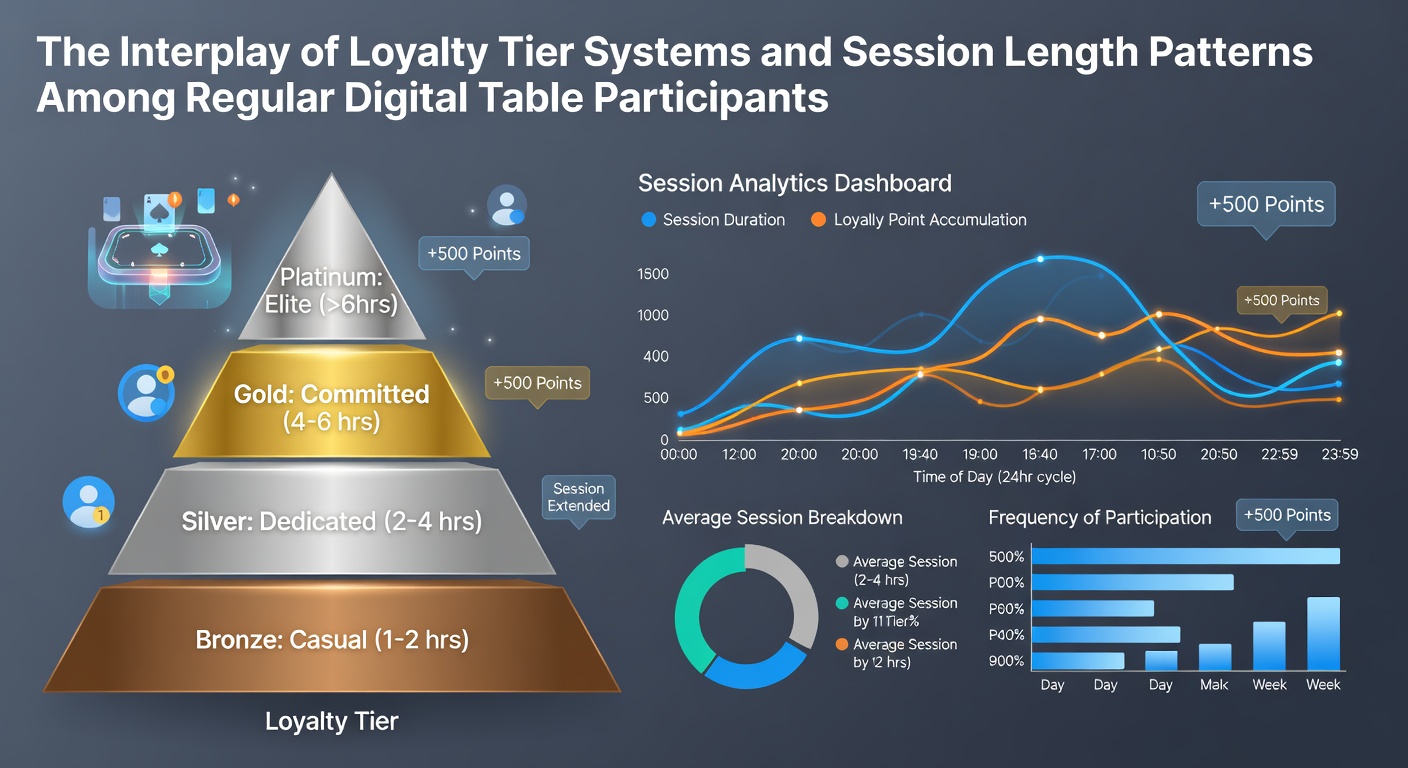
Digital table platforms have refined loyalty structures over the past decade to segment participants into tiers that reflect cumulative activity levels, and these divisions now intersect directly with measurable session durations among consistent players. Entry-level tiers typically grant basic point accrual rates while mid-tier and upper-tier categories unlock accelerated rewards such as reduced rake percentages, exclusive table access, and periodic cashback allocations. Platform operators track these metrics through backend analytics that record time stamps from login to logout, creating datasets that reveal how reward thresholds influence the length of individual playing periods.
Tier Definitions and Reward Structures
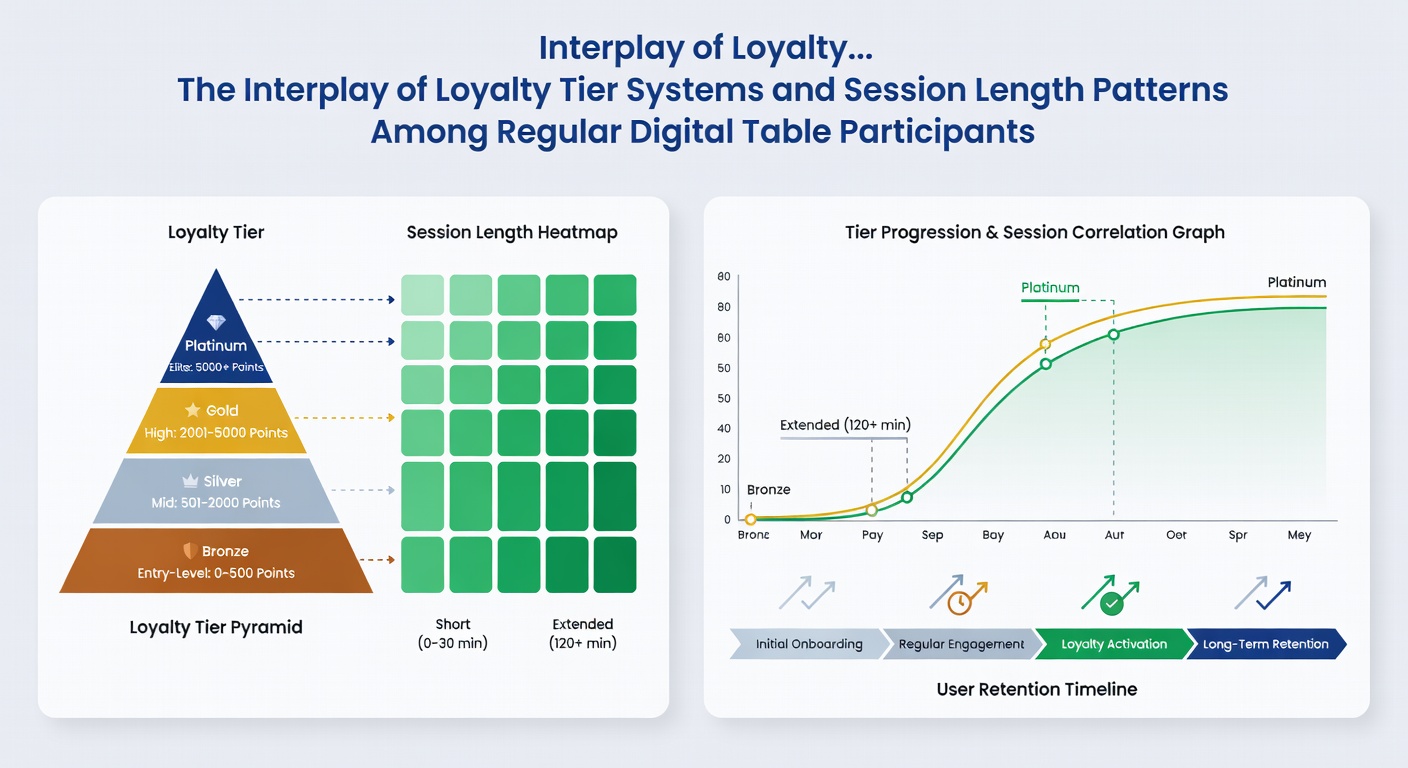
Most major operators define four or five progressive levels, each requiring a set volume of hands played or rake contributed within a rolling monthly window. Bronze participants receive standard point multipliers, silver players gain access to weekly reload bonuses, gold and platinum categories add concierge-level support along with higher cashback percentages, while diamond tiers often include travel perks and personalized tournament entries. The structure creates clear milestones that encourage players to extend time at the tables once they approach the next qualification threshold.
According to figures released by the Nevada Gaming Control Board covering online platform activity through early 2026, participants who reached silver status recorded average sessions 18 percent longer than those remaining in bronze throughout the same period. The pattern holds across multiple table variants including blackjack, roulette, and Texas Hold'em variants, suggesting the reward schedule itself drives the behavioral shift rather than game-specific mechanics alone.
Observed Session Length Variations by Tier
Regular participants in the lowest tier average between 42 and 58 minutes per login across aggregated platform reports, while those who maintain silver or gold status extend sessions to between 75 and 110 minutes on average. Higher-tier players exhibit additional spikes near the end of qualification cycles, with data collected during May 2026 showing a measurable uptick in session extensions of 12 to 25 minutes during the final five days of each calendar month. These extensions correlate with the release of monthly statements that display remaining points needed for tier maintenance or advancement.
Platform algorithms adjust visible progress bars and countdown timers in real time, which researchers at the University of Nevada, Las Vegas have linked to sustained engagement once a participant crosses 70 percent of the next tier requirement. The visual feedback loop appears to reduce the frequency of short, fragmented logins in favor of consolidated blocks of activity, particularly among those already holding mid-tier status.
Factors That Shape Extended Play Intervals
Compounding rewards such as instant cashback on losses and tier-exclusive freeroll entries function as immediate reinforcement mechanisms. Players who qualify for these benefits tend to remain logged in longer to maximize the realized value of each reward before the next reset period begins. Time-stamped transaction logs indicate that cashback redemptions occur most frequently during the final third of a session, after which many participants initiate another round rather than ending activity.
But here's the thing: external variables also play a role. Peak traffic hours in different time zones produce longer average durations across all tiers, while promotional events tied to specific calendar dates compress or expand session patterns depending on teh size of the offered prize pool. Operators in regulated markets such as those overseen by the Alcohol and Gaming Commission of Ontario have noted that session length increases remain consistent even after adjusting for demographic differences among participants.
Regional Data Patterns and Platform Adjustments
European operators reporting through the European Gaming and Betting Association documented comparable trends in 2025 and 2026, with platinum-tier participants averaging 94 minutes per session compared with 51 minutes for entry-level accounts. These operators have begun testing dynamic reward releases that unlock mid-session to test whether further extensions occur when new incentives appear during active play rather than at login or logout points.
Canadian provincial data collected through the same period shows that players who receive personalized milestone notifications extend sessions by an additional 14 minutes on average, suggesting targeted messaging interacts with existing tier structures to amplify duration effects. Platforms continue to refine notification timing based on these observed patterns, balancing increased engagement against responsible gaming parameters that flag extended continuous play.
Conclusion
The relationship between loyalty tier progression and session length continues to evolve as operators incorporate real-time analytics and region-specific regulatory requirements. Data collected through May 2026 confirms that higher tiers consistently associate with longer continuous play intervals, driven by both reward thresholds and feedback mechanisms embedded in the platform interface. Future adjustments will likely focus on fine-tuning these intersections while maintaining compliance across multiple jurisdictions.